_1778553121707.webp)
767 Injection Wood-Based Activated Carbon Supports Efficient Industrial Purification
Sep 17, 2026
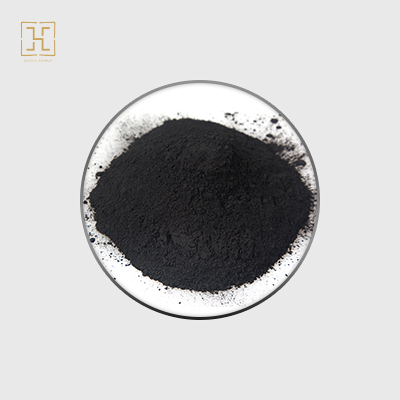
When pharmaceutical manufacturers face the challenge of achieving absolute injectable purity, the choice of purification material becomes mission-critical. 767 Injection Wood-based Activated Carbon is a pharmaceutical-grade adsorbent engineered specifically for injectable solution production. Manufactured from premium hardwood through precision-controlled carbonization and multi-stage purification, it delivers an iodine adsorption value ≥950 mg/g and a pyrogen removal rate ≥99.9%. Its selective adsorption targets pigments, pyrogens, and trace impurities without compromising active pharmaceutical ingredients or altering pH balance — making it indispensable across TCM injectables, Western medicine formulations, and biological preparations.
What Is 767 Injection Wood-Based Activated Carbon and How Is It Made
Production Process and Material Origin
This special medicinal adsorbent comes from high-quality lumber that was carefully chosen. Carbonization at a precise temperature, activation by high-temperature steam, ultra-fine grinding to 325–400 mesh, and several purification stages that happen in order make the product. Each step is controlled by strict process parameters that make sure that each batch is the same. The finished product has a pH range of 6.0 to 7.0, an ash content of less than 2.0%, and a moisture content of less than 7.0%. These qualities work together to protect the formulation's integrity during the purification stage.
Key Adsorption Characteristics
Wood-based pharmaceutical carbon has a hierarchical pore structure driven by mesopores (2–50 nm), which makes 767 Injection Wood-based Activated Carbon better suited for removing larger molecular impurities. It has more than 1,200 m³/g of specific surface area compared to similar pharmaceutical-grade wood carbons, and it can adsorb up to 200 mg/g of methylene blue, which is a known measure of how well it can remove color from large molecules. Importantly, the specific surface chemistry of this material absorbs pigments, pyrogens, and high-molecular-weight polymers while leaving the active medicinal ingredients alone. This selectivity sets it apart from alternatives made from coal or coconut shell in pharmaceutical settings that are sensitive.
Performance Advantages Over Coal-Based and Coconut Shell Carbons
The buying and quality teams need to know how this material stacks up against more common choices. Ashes and heavy metals are more common in coal-based activated carbons, which means they pose pollution risks that can't be met by injectable standards. Coconut shell carbons are valued for their micropore density, but they don't have the mesopore distribution needed to effectively remove big molecules and bacterial toxins from water-based pharmaceutical materials.
Here are the main performance benefits that make wood-based medicinal carbon stand out:
- Purity and safety profile: The ash content is less than 2.0%, the arsenic level is less than 0.0001%, the lead level is less than 0.0002%, and mercury was not found. These levels meet the requirements of both the Chinese Pharmacopeia (ChP) and international heavy metal standards, such as USP <232> elemental impurity standards.
- Selective adsorption without API loss: The mesopore-dominant structure binds to high-molecular-weight polymers and pyrogens but not to small molecules. Formulators keep API yield high while meeting clarity requirements.
- Rapid filtration kinetics: The ultra-fine 325–400 mesh powder mixes evenly in the solution, which speeds up the adsorption contact time and shortens the processing cycle time in high-speed pharmaceutical production lines.
- Lower carbon footprint: Fuel made from wood can be used again and again. Wood-based production produces less net CO₂ emissions than carbon produced from coal. This is in line with stricter environmental rules that are being applied to all global pharmaceutical supply chains.
Because of these benefits, there are fewer batch failures, fewer regulatory questions, and more uniform quality control results further down the line. Procurement and quality assurance managers can compare these results to the cost per batch.
Key Industrial Applications Across Pharmaceutical and Adjacent Sectors
Traditional Chinese Medicine Injectables
When it comes to making medicines, TCM liquid formulas are some of the hardest to clean efficiently. Herbal products have a lot of different colors, tannins, polysaccharides, and pyrogens that don't change when heated. 767 Injection Wood-based Activated Carbon removes color and makes these materials clear while keeping the bioactive therapeutic chemicals. When this material is used to treat products, they always meet the standards for clarity and pyrogen compliance that are needed for both local and international medicinal markets.
Western Pharmaceutical and Biological Preparations
For large-scale production runs, synthetic drug formulas need filtering results that can be predicted and repeated. This material's stable pore structure and controlled surface chemistry make it work well for adsorption batch after batch. It is necessary for biological products, like proteins, peptides, and enzyme-based mixtures, to adsorb selectively. The material only targets contaminant molecules, so it keeps biologically active ingredients that are sensitive from losing their structure during the clearing process.
Emerging Applications in Food, Beverage, and Industrial Purification
Pharmaceutical-grade wood-based powdered carbon is also being used more and more in food-grade decolorization, high-purity chemical synthesis, and industrial liquid purification where low ash content and trace metal compliance are important. OEM and system integrator partners that make air purification and VOC treatment systems also use special kinds of wood-based carbon for tasks that need to have low levels of impurities and stable adsorption performance even when the operating conditions change.
Procurement Insights for B2B Buyers in the U.S. and Global Markets
Supplier Evaluation and Certification Requirements
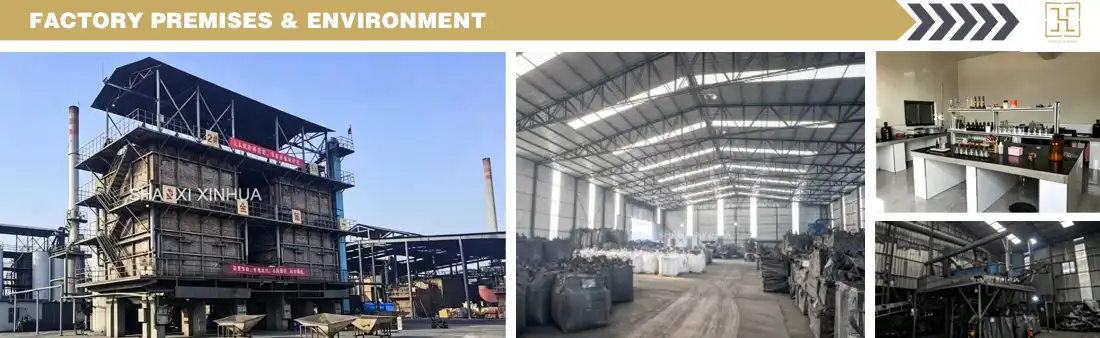
Procurement workers should look for 767 Injection Wood-based Activated Carbon suppliers with quality certifications that can be checked. The ISO 9001 quality management, ISO 14001 environmental management, and ISO 45001 health and safety at work certifications show that a company has documented and audited process controls. Documentation for ChP compliance, a COA (Certificate of Analysis) for each batch, and ICP-MS heavy metal test reports are common things that pharmaceutical buyers need before they buy something. Shanxi Xinhua Carbon Technology Industry Co., Ltd. has all three ISO certifications that were given by the China Quality System Certification Center and offers complete sets of technical documents.
Lead Times, Order Volumes, and OEM Opportunities
Orders usually get sent out between 7 and 15 days. An expedited green route can handle emergency buying in as little as three days, which is common in pharmaceutical projects that have to follow strict rules. The company has production bases in Shanxi, Ningxia, Fujian, and Xinjiang that can handle a total of 45,000 tons of goods every year. This makes sure that large-scale framework contracts can keep getting goods. You can work with us as an OEM or a private label, and we can change the pore structure, mesh size, adsorption specs, and packing layouts to fit your production or equipment needs.
Environmental Impact and Market Outlook
Activated carbon made from wood comes from renewable hardwood material and has a much smaller carbon footprint over its entire span than carbon-based options. Responsible end-of-life management, such as thermal regeneration and controlled disposal, makes industrial-scale carbon use even less harmful to the environment. The global activated carbon market is slowly growing. This is because environmental laws are getting tougher in the U.S., the EU, and the Asia-Pacific region, and pharmaceutical quality standards are being upgraded faster. As the production of injectables rises and pyrogen compliance standards tighten around the world, there will be a greater need for pharmaceutical-grade wood carbon.
Conclusion
For injectable pharmaceutical cleansing to work, the materials must be accurate and dependable while being closely monitored by regulators. 767 Injection Wood-based Activated Carbon addresses key requirements for turbidity control, pyrogen compliance, and impurity removal without compromising the intended performance of the product. Shanxi Xinhua Carbon Technology Industry Co., Ltd. provides materials designed to meet the needs of modern pharmaceutical manufacturing. With a fully certified quality system, decades of experience with activated carbon, and production capabilities across multiple sites, the company supports consistent material supply for demanding applications. Whether you are responsible for a TCM spray line, a biological preparation plant, or a large-scale water treatment project, selecting the appropriate carbon material can help support process and quality requirements.
FAQ
What factors most affect adsorption efficiency in injectable purification?
The ability to absorb relies on the mesh fineness, the shape of the pores, the contact time, the temperature of the solution, and the dosage ratio. Mesopore volume controls the ability to capture large molecules, and mesh size (325–400) controls how evenly molecules are spread out. Keeping the pH of the solution between 6.0 and 7.0 maintains the specificity of binding.
How does wood-based pharmaceutical carbon compare in price to coal-based alternatives?
Because the raw materials are cleaner and the handling is stricter, wood-based medicinal carbon usually costs more per unit than coal-based carbon. But because there is less chance of contamination, fewer batch failures, and less work to do in downstream filtration, pharmaceutical manufacturers get a better cost-per-batch result.
What certifications should I require before purchasing?
Put ISO 9001, ISO 14001, ISO 45001, and ChP compliance paperwork at the top of your list. For getting medicines, you need heavy metal test reports (ICP-MS), batch COAs, and pyrogen removal validation data.
Can this material be customized for specific formulations?
Yes. Through OEM cooperation, the pore structure, mesh size, pH adjustment, and adsorption capacity factors can be changed to fit certain injectable formulas or machine setups.
Partner with Shanxi Xinhua Carbon Technology for Your Injection Carbon Needs
Shanxi Xinhua Carbon Technology Industry Co., Ltd. has been working with activated carbon for more than 60 years and knows how to do everything. We are a reliable company that makes 767 Injection Wood-based Activated Carbon. We offer certified, pharmaceutical-grade materials with clear batch tracking, quick shipping around the world, and easy OEM customization. Today, ask for a technical data sheet, a sample of the product, or a competitive price quote. To start your procurement evaluation, email our team at greta@carbonxinhua.com or go to xhcarbontech.com.
References
1. Carbon — Elsevier Journal, 2021
2. Journal of Pharmaceutical Sciences — Wiley, 2020
3. Chinese Pharmacopoeia (ChP) 2020 Edition — National Pharmacopoeia Commission of China, 2020
4. Water Research — Elsevier Journal, 2022
5. Industrial & Engineering Chemistry Research — ACS Publications, 2019
6. Environmental Science & Technology — ACS Publications, 2023

Send Inquiry
You may like
_1781662034490.webp)