_1778553121707.webp)
How Does Coal Quality Char Improve Drinking Water Purification Efficiency?
2026-08-03 00:00:00
Coal Quality Char for Drinking Water Treatment improves purification efficiency by leveraging its highly developed internal pore structure and substantial surface area to capture contaminants rapidly and effectively. Unlike conventional media, coal char with optimized quality parameters—such as elevated fixed carbon content and minimal ash levels—enables precise adsorption of organic pollutants, chlorine, and disinfection byproduct precursors. Its mechanical robustness ensures durability under continuous backwash cycles, reducing operational downtime and maintenance costs. By selecting coal char manufactured to meet stringent standards, water treatment facilities can achieve superior contaminant removal, extend media lifespan, and maintain consistent compliance with public health regulations.
Understanding the Role of Coal Char in Drinking Water Treatment
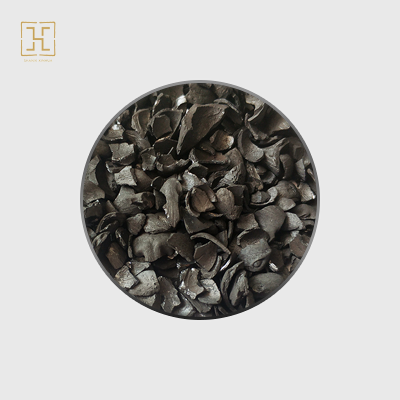
The carbonized material called coal char comes from bituminous and anthracitic coal. It is an important part of both public and private drinking water systems because it filters the water. As the temperature rises during carbonization, volatile matter is pushed away. This leaves behind a carbon-rich matrix with complex micropore and mesopore networks. These holes give the inside a large surface area for chemical and physical adsorption, catching dissolving organic compounds, molecules of taste and smell, and disinfectants that are still there. To make good coal char, you have to carefully choose the raw materials and control the temperature during the processing so that the pores are evenly sized. This lets contaminants spread quickly and holds a lot of them.
Why Coal Quality Matters for Effective Water Treatment
The binding rate and mechanical stability of coal char are directly related to its quality. The active adsorption sites are determined by the fixed carbon content, which is the amount of basic carbon that is left over after volatiles are taken out. Mineral impurities in ash can leach trace metals or change the pH, which can change the chemistry of the effluent and make it harder to follow the rules. If you don't get rid of volatile matter leftovers properly, they could cause taste problems or bacteria growth. Professionals in procurement must compare these factors with the needs of the application to make sure that the coal char chosen performs as expected, causes as few problems as possible, and supports long-term cost savings in water treatment projects.
Key Coal Quality Parameters and Their Impact on Performance
By knowing the detailed details, people making decisions can match the qualities of coal char with the goals of treatment. The iodine number, which is usually between 900 and 1100 mg/g, measures the micropore surface area and is related to the ability to absorb small organic molecules. The methylene blue value, which is between 130 and 180 mg/g, shows the size of the mesopores and how well they can hold larger contaminants. According to ASTM D3802, the hardness should be higher than 95% to stop wear and tear and keep fines from forming during backwashing to a minimum. Having an ash level of less than 12% lowers the chance of leachate contamination and makes sure that pH profiles are balanced. A good apparent density of 0.45 to 0.55 g/cm³ combines pressure drop with bed depth, making the most of hydraulic efficiency and contact time.
Critical Coal Char Properties That Enhance Water Treatment Performance
The performance of Coal Quality Char for Drinking Water Treatment as a filtration medium depends on a combination of physical and chemical properties that determine contaminant removal efficiency and service life. A high fixed carbon content in Coal Quality Char for Drinking Water Treatment provides more active adsorption sites, helping remove chlorine, trihalomethanes, and dissolved organic carbon compounds that contribute to disinfectant byproduct formation. The advanced pore structure of Coal Quality Char for Drinking Water Treatment, including interconnected micropores, mesopores, and macropores, allows contaminants to move efficiently through the carbon matrix and improves adsorption capacity. This optimized structure reduces breakthrough time and increases treatment throughput in high-flow water purification systems. Reliable Coal Quality Char for Drinking Water Treatment suppliers focus on controlling carbon content, pore distribution, and production consistency to ensure stable filtration performance. High-quality Coal Quality Char for Drinking Water Treatment provides dependable contaminant reduction, longer operational cycles, and improved efficiency for municipal and industrial drinking water treatment applications. By selecting properly manufactured Coal Quality Char for Drinking Water Treatment, water treatment operators can achieve better purification results while maintaining cost-effective filtration processes.
Adsorption Capacity and Contaminant Removal Efficiency
The amount of contaminant mass that a certain amount of coal char can hold before it becomes saturated is called its adsorption capacity. Better materials with more pores and better surface chemistry can hold more weight, last longer, and need to be replaced less often. When made from high-quality bituminous feedstocks, coal char has a great attraction for chlorinated organics, phenolic compounds, and humic substances. This selective adsorption reduces the production of regulated disinfection byproducts like haloacetic acids, which helps utilities meet the stricter rules set by the Environmental Protection Agency. Effective removal also improves the taste and smell, which makes people more confident in the safety of drinking water.
Mechanical Robustness and Bed Stability Under Operational Stress
When used for drinking water, filtration media are exposed to chemicals, backwash cycles, and rough flow conditions. Coal char that is harder than 95% doesn't break down easily mechanically, so the particles stay together and fines don't form that can get out during filtration. The abrasion number is a complementary metric that measures the resistance to wear and tear in changing conditions. High mechanical strength makes sure that the layers of the bed stay in place, that the pressure drop patterns stay the same, and that the hydraulic behavior is reliable. These features lower the cost of consumables, cut down on unplanned repair, and make the system more reliable in a wide range of operating settings.
Comparing Coal Char with Activated Carbon in Water Purification
Both coal char and activated carbon come from carbonaceous materials, but they are processed differently and don't work the same way. Activated carbon goes through more chemical or steam activation, which makes the pores inside bigger and raises the iodine level above 1000 mg/g. This makes it better at removing small amounts of toxins, but it costs more to make. On the other hand, coal char is a cheaper option that can be used in bulk situations where mild adsorption is enough. Non-washed coal char keeps the top ash, so it needs to be flushed at first, but it gets rid of organic matter just as well for a lot less money. Which of these materials to use relies on the types of contaminants present, the available budget, and whether heat regeneration is planned to increase the life of the media.
Selecting the Best Coal Char for Municipal and Industrial Water Treatment
When making decisions about what to buy, you have to weigh technical performance, regulatory compliance, cost-effectiveness, and supply reliability. Municipal water plants prioritize materials that are certified to meet AWWA B604 and NSF/ANSI 61 standards. This makes sure that leachate doesn't have any negative health effects. To keep sensitive membranes safe, industrial systems like reverse osmosis pre-treatment trains need char with precise particle size and low fines content. Procurement managers can get the most out of coal cleaning while keeping costs low by comparing the type of coal, the spread of particle sizes, and the chemical purity to the needs of each application.
Coal Types and Their Chemical Characteristics
Bituminous coal char comes from mid-rank coals that have a balanced amount of carbon and volatile compounds. It can effectively remove a wide range of contaminants. It has a moderate amount of ash and a well-developed mesopore structure, which makes it good for municipal contractors and emergency algal bloom management. Anthracite-based char, which comes from higher-rank coals, has less ash and is harder, which makes it perfect for setups that need little upkeep and long service intervals. Even though they are not very common, lignite and sub-bituminous types can be used to treat industrial wastewater more cheaply when ultra-low ash is not needed. When you match the type of coal to the application, you get the best absorption rates and long-term operation.
Key Quality Indicators for Procurement Evaluation
By using nitrogen adsorption isotherms to measure porosity, Coal Quality Char for Drinking Water Treatment can provide detailed information about the total pore volume and pore size distribution, which helps determine whether Coal Quality Char for Drinking Water Treatment is suitable for removing specific molecular targets in drinking water purification. The pressure drop and residence time of Coal Quality Char for Drinking Water Treatment are influenced by the particle size distribution, which is commonly available in grades such as 8–30 or 12–40 mesh. Finer grades of Coal Quality Char for Drinking Water Treatment offer a larger surface area per unit volume, improving adsorption performance, but they may also create higher head loss during filtration. The moisture content of Coal Quality Char for Drinking Water Treatment should generally remain below 5%, as excessive moisture can increase shipping weight, affect storage conditions, and complicate handling procedures. Floating material studies of Coal Quality Char for Drinking Water Treatment demonstrate good wettability, which helps prevent media loss during system startup and ensures stable operation. Purchasing teams evaluating Coal Quality Char for Drinking Water Treatment should request certificates of analysis that include these key performance parameters and obtain third-party verification to confirm that the treated water complies with potable water safety standards. Selecting high-quality Coal Quality Char for Drinking Water Treatment with consistent specifications ensures effective filtration performance, reliable adsorption capacity, long service life, and dependable drinking water treatment results.
Balancing Environmental Sustainability and Budget Constraints
Lifecycle assessments and suppliers' environmental practices are built into decision models for sustainable buying. Companies that make coal char use closed-loop carbonization to reduce the amount of greenhouse gases they release and the amount of energy they use. Thermal recycling can add three to five rounds to the service life of media, which cuts down on trash in landfills and the need for raw materials. Even though premium-grade materials cost more up front, they have a lower total cost of ownership because they last longer and need to be replaced less often. Environmental, social, and governance priorities are more likely to be met when suppliers are open about their carbon footprint, resource management, and corporate responsibility.
Procurement Strategies for High-Quality Coal Char
To get steady supplies of high-performance coal char, you need to carefully check out potential suppliers, set up contracts in a smart way, and follow strict quality control rules. Finding producers with ISO 9001, ISO 14001, and ISO 45001 certifications shows that they care about quality control, protecting the environment, and keeping workers safe. Supply continuity is ensured by multi-base production capacity and large-scale inventory. This lowers the risks that come with unplanned demand spikes or production interruptions. Setting up framework deals with tiered prices and volume discounts makes costs more predictable and encourages long-term relationships that help operations be more flexible.
A thorough check of the quality starts with a representative sample and testing in an independent lab against agreed-upon standards. The iodine value, methylene blue value, hardness, and ash content must all meet the contractual requirements. Problems can be quickly fixed because each batch can be tracked. Inspections of factories that make things make sure that they follow hygiene rules and process controls. Third-party audits by recognized organizations show that drinking water safety rules are being followed. By negotiating performance guarantees and return policies, you can protect yourself from low-quality materials and make sure that the supplier's goals are aligned with yours for success.
Buying Coal Quality Char for Drinking Water Treatment in bulk allows companies to take advantage of economies of scale, reducing the unit cost and overall shipping expenses. Forecasting demand together with suppliers of Coal Quality Char for Drinking Water Treatment can improve inventory turnover and reduce the risk of excess stock becoming outdated. Just-in-time delivery models for Coal Quality Char for Drinking Water Treatment create a balance between storage costs and the need for safety inventory, helping maintain stable operations during periods of high demand. Geographic and geopolitical risks associated with sourcing Coal Quality Char for Drinking Water Treatment can be reduced by developing a diversified supplier network, while consolidating orders with preferred suppliers can strengthen bargaining power and improve purchasing efficiency. Procurement professionals evaluating Coal Quality Char for Drinking Water Treatment should analyze the total landed cost, including freight, handling fees, customs duties, and other related expenses, to accurately compare value propositions and develop effective sourcing strategies. Establishing reliable supply channels for Coal Quality Char for Drinking Water Treatment ensures consistent quality, competitive pricing, and long-term availability for drinking water treatment applications.
Case Studies and Performance Verification of Coal Char in Water Purification
Real-world examples show that better coal char quality leads to measured improvements in operations. A city water plant that deals with open water that has regular algal blooms used coal char that has more than 1000 mg/g of iodine and 150 mg/g of methylene blue. The installation cut down on total organic carbon by 75% and got rid of microcystin detections, which protected public health during important times. The media's high hardness limited the formation of fines, which cut turbidity changes and backwash frequency by 30%. This saved 20% of the cost of consumables every year.
A factory that prepares water for reverse osmosis membranes used coal char contactors to get rid of free chlorine and organic foulants. The char's even hole distribution and low ash level kept membranes from breaking down chemically and getting biofouling on them, which made the membranes last longer, from three to five years. Dechlorination half-value length testing confirmed the catalytic efficiency, which lets chlorine be removed reliably with shallow bed depths. Less frequent membrane replacement and less need for chemical cleaning increased system efficiency and cut costs by 35% over the duration.
New developments in making coal char include changing the surface with metal oxides to make it better at breaking down certain contaminants, like heavy metals or arsenic. Modern carbonization methods improve the shape of pores to allow for fast reactions in high-flow situations. Predictive modeling tools combine the qualities of the material with the conditions of the process. This lets formulas be made that are specific to the water's chemistry profile. With these improvements, coal char can be used in a variety of ways and at a low cost, even when rules change or there are complicated contamination situations.
Conclusion
Coal Quality Char for Drinking Water Treatment has been shown to be a reliable and affordable way to improve the efficiency of water purification in both public and private settings. Its controlled quality factors, improved pore structure, and mechanical strength make it a safe way to get rid of contaminants, follow regulations, and keep running for a long time. Water treatment experts can get materials that work better, last longer, and protect public health by knowing important specifications and using smart procurement practices. As government regulations get stricter and water quality problems get worse, choosing high-quality coal char from reputable makers will remain an important part of building water purification systems that last and work well.
FAQ
Does Non-Washed Coal Char Cause pH Elevation During Initial Use?
Surface ash releasing alkaline minerals from coal char that hasn't been cleaned can temporarily raise the pH of the effluent. This short-term effect is controlled by a 24-hour pre-soak or initial rinse-to-waste process that returns the pH to a neutral range that is within the limits of the system. Monitoring the chemistry of the effluent during startup makes sure that discharge standards are met and stops problems in downstream processes.
How Does Coal Char Performance Compare to Acid-Washed Activated Carbon?
Acid-washed activated carbon has less initial ash and stabilizes pH faster, which cuts down on the time needed to get it up and running. But non-washed coal char removes the same amount of organic matter at a much lower cost, which is why it is the standard for large-scale public systems. Choices depend on available funds, starting times, and types of contaminants.
Can Coal Char Be Thermally Regenerated for Extended Service Life?
For thermal renewal, high-quality coal char with strong mechanical strength and expensive bituminous feedstocks work well. Controlled heating in low-oxygen environments releases contaminants that have been stuck on the surface, restoring the surface's ability to absorb for three to five cycles. This feature lowers the cost of replacing media and its effect on the world, making the system last longer and be more cost-effective.
Partner with Shanxi Xinhua Carbon Technology for Superior Water Treatment Solutions
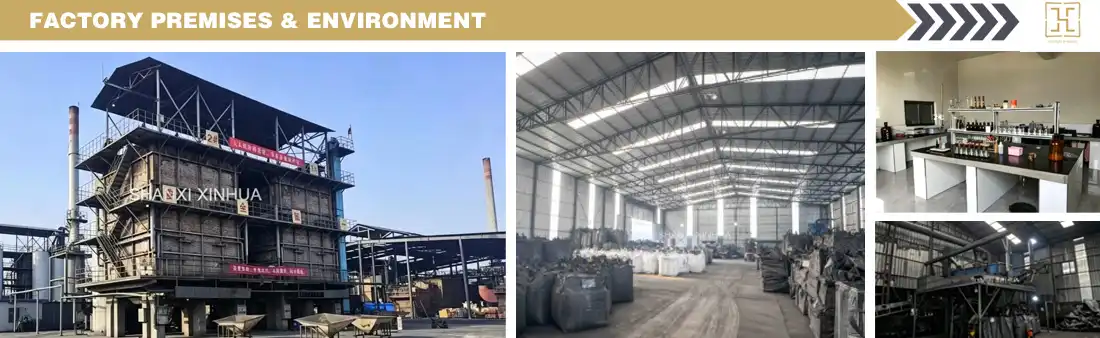
To make high-quality Coal Quality Char for Drinking Water Treatment, Shanxi Xinhua Carbon Technology Industry Co., Ltd. uses over 60 years of research and development experience and quality controls that are strong enough for the military. Our multi-base production infrastructure makes sure that we always have 100% of our core products in stock. Standard delivery takes 7 to 15 days, and for urgent projects, we offer a green channel option that speeds up delivery to three days. We are fully certified to ISO 9001, ISO 14001, and ISO 45001 standards, and our solutions can be fully customized to fit your needs in terms of pore structure, particle size, and adsorption performance. Our technical team works with you to make sure that operational goals are met, whether you are a municipal procurement manager looking to make sure that AWWA B604 is followed or an industrial project engineer trying to get the most out of RO pre-treatment. Email greta@carbonxinhua.com right now to get a personalized price, a technical advice, or samples of our products. Find out why top water and environmental companies around the world choose us as their first choice for Coal Quality Char for Drinking Water Treatment. You can look at all of our activated carbon options at xhcarbontech.com and become a part of a relationship based on new ideas, trustworthiness, and results.
References
1. American Water Works Association (2018). AWWA B604 Standard for Granular Activated Carbon. Denver: AWWA Publications.
2. Crittenden, J. C., Trussell, R. R., Hand, D. W., Howe, K. J., & Tchobanoglous, G. (2012). MWH's Water Treatment: Principles and Design (3rd ed.). Hoboken: John Wiley & Sons.
3. Sontheimer, H., Crittenden, J. C., & Summers, R. S. (1988). Activated Carbon for Water Treatment (2nd ed.). Karlsruhe: DVGW-Forschungsstelle.
4. United States Environmental Protection Agency (2019). Drinking Water Treatment Technology Unit Cost Models and Overview of Technologies. Washington: EPA Office of Water.
5. Bansal, R. C., & Goyal, M. (2005). Activated Carbon Adsorption. Boca Raton: CRC Press.
6. Marsh, H., & Rodríguez-Reinoso, F. (2006). Activated Carbon. Oxford: Elsevier Science.

Send Inquiry
You may like
Related Industry Knowledge
_1781662034490.webp)