
Alcohol-Decolorized Wood Charcoal Improves Color Removal in Beverage and Chemical Processing
Oct 21, 2026
Alcohol-decolorized wood charcoal is a purpose-built purification material that targets unwanted color, odor, and organic impurities in beverage production and chemical processing. Unlike standard activated carbon, this material goes through an alcohol-based processing stage that refines its pore architecture and removes internal ash or metallic residues. The result is a cleaner, more selective adsorbent with light color, low iron content, and transmittance consistently above 95%. For procurement managers and process engineers working under tight quality standards, this material represents a measurable upgrade in both product clarity and operational cost control.
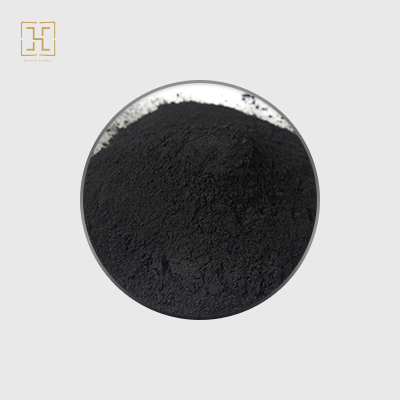
Understanding Alcohol-Decolorized Wood Charcoal and Its Properties
What Makes It Different from Standard Wood Charcoal
Standard wood charcoal is a carbonized material that works well for heat but isn't the best for cleaning liquids. Alcohol-decolorized wood charcoal, on the other hand, goes through an extra process that gets rid of any remaining tannins, metal flaws, and surface contaminants. This makes a structure with lots of mesopores and macropores that are spread out evenly. This makes it perfect for catching big molecules of organic pigment in solution.
Key Physical and Chemical Characteristics
This stuff usually has a methylene blue adsorption value of 11 mL/0.1g, an ash content of less than 2%, and an iron (Fe) content of less than 0.5 ppm. It stays neutral to slightly acidic in pH, which stops unwanted catalytic processes in liquid systems that are sensitive to them. These features make it less likely that the product will change color, the syrup will flip over, or there will be contamination in food-grade and medicinal settings.
Safety, Compliance, and Eco-Credentials
Source materials made from wood break down naturally and have lower levels of heavy metals than carbons made from coal. GFSI-approved requirements are met by products made under the ISO 9001, ISO 14001, and food safety guidelines. The information is not only useful for engineers and quality assurance teams, but it can also be checked and follows the rules set by the U.S. FDA, EP, and CP for pharmaceuticals.
How Alcohol-Decolorized Wood Charcoal Enhances Color Removal Efficiency
Limitations of Traditional Decolorization Methods
For color control, many places still use regular activated carbon or whitening products made from clay. Most of the time, these methods lead to sugar losses higher than 10%, poor one-pass decolorization below 50 ICUMSA, and a lot of ash in the finished product. When ethanol is used for rectification, leftover fusel oils and UV-absorbing chemicals go through without being removed. This makes the product less clear and less stable on the shelf.
These problems are directly addressed in this material. When it comes to industrial color removal, these are the main benefits it brings:
- Decolorization efficiency: Light transmittance above 95% in a single pass, exceeding the performance of many imported carbons.
- Sugar retention: Greater than 98% sucrose recovery, reducing yield loss in syrup and beverage production.
- Iron control: Fe levels below 0.5 ppm prevent iron-tannin darkening reactions in liquid products.
- Cost advantage: Domestic production brings the unit price significantly below imported alternatives, with savings of approximately 45% reported in comparable procurement cycles.
These points for performance are not just ideas. They show results that can be measured in settings where batch cleanliness and regularity are very important, like when making food-grade syrup or fixing drinks.
Industrial Applications Where It Performs Best
In three different settings, Alcohol-decolorized wood charcoal works best. Through high-flow filtering columns, it gets rid of fusel oils and trace colors in vodka and white spirit rectification, making the alcohol crystal clear. When making aged rum and brandy, it stops the wood tannins from picking up too much during barrel maturation, so the color and flavor stay the same from batch to batch. In the purification of pharmaceutical and cosmetic ethanol, it gets rid of chemicals that cause smells and UV-absorbing residues that could make sensitive drug or perfume formulas less stable.
Performance Data That Supports Procurement Decisions
Tests in the lab and on a large scale in industry both show that one-pass color removal achieves or beats 95% diffusion. Rates of filtration measured in seconds per 100 mL are still fast enough to keep industrial filter presses from getting blinded. When procurement teams compare this to imported options, it's a strong candidate for long-term contract sourcing because it has a lower iron content, a higher decolorization rate, and easy access to the domestic supply chain.
Comparing Alcohol-Decolorized Wood Charcoal with Other Charcoal Types
Alcohol-Decolorized vs. Standard Activated Carbon
General-purpose activated carbon can be used for many things, but it's not specific enough to remove food-grade colors. Ash levels in coal-based activated carbon usually go above 5–8%, which makes liquid goods more likely to be contaminated. The ash level of Alcohol-decolorized wood charcoal is less than 2%, and the pores are much smaller, allowing it to focus on mid-range organic pigment molecules without absorbing too much flavor.
Alcohol-Decolorized vs. Bamboo Charcoal
Because it comes from natural sources and has a large surface area, bamboo charcoal is useful in environmental and packaging uses. In industrial liquid processing, however, the decolorization performance of bamboo charcoal varies from batch to batch because the quality of the raw materials isn't always the same. Alcohol-decolorized wood charcoal gives more uniform and auditable results for tasks that need to measure colors again and again and get food safety certification.
Choosing the Right Type for Your Application
The right charcoal for your process depends on your goals and the rules that apply. Alcohol-decolorized wood charcoal is the best choice for making high-purity drinks, pharmaceutical ethanol, or sugar refinery processes. It is the best choice when you need a clear product and consistent batches because it has a controlled pore structure, a low particle profile, and meets international food safety standards.
Procurement Guide: Sourcing This Material for Industrial Use
Certifications and Quality Indicators to Verify
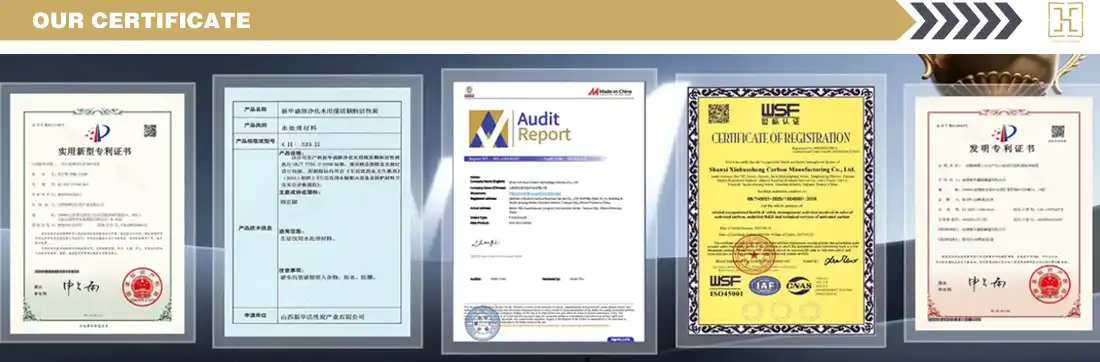
Before placing a large order, procurement teams should check that the company has ISO 9001 quality management certification, ISO 14001 environmental certification, and documentation that shows they follow food safety rules. Some important technical indicators to ask for are reports on ash content, methylene blue adsorption values, pH measurements, iron content analysis, and PAH test results. These requirements keep you from getting materials that look good but don't pass performance tests during production.
Sampling and Pilot Testing Before Bulk Commitment
No choice about a large-scale purchase should be made without tasting first. Ask for a sample of at least 1 to 5 kg to be tested in the lab under the conditions of your process. Look at how fast the product is filtered, how much color is removed, and how that affects the pH or flavor profile. Alcohol-decolorized wood charcoal makers who are responsible support this step and send scientific information along with samples to speed up your internal approval process.
Sustainable Procurement and Supply Continuity
Wood-based carbon materials that come from forests that are handled in a way that doesn't harm the environment are in line with companies' environmental goals and ESG reporting needs. When judging a supplier, look at how much they can produce, how much inventory they keep, and how quickly they can restock in a situation. A supplier with multiple production bases and a documented green-channel delivery option makes it much less likely that supply shortages will cause project delays.
Future Prospects in Color Removal Technology
Growing Demand for Purity in Beverage and Chemical Sectors
In both the chemical and beverage businesses, rules and customer standards are getting stricter about how clear products are and how well they are kept clean. International food safety frameworks and U.S. FDA standards are pushing manufacturers to replace older decolorization methods with materials that can be tracked, used again, and have lower risk profiles. Through 2030, the need for decolorizing agents that are based on wood is expected to slowly rise.
Expanding Applications Beyond Beverages
Researchers are looking into how wood-based carbon materials can be used to clean up ingredients in skin care products, get rid of colors in industrial wastewater, and process pharmaceutical intermediates. Alcohol-decolorized wood charcoal works well in syrup refining because it has controlled porosity, low ash, and high selectivity. It also works well in these adjacent industries, so procurement teams can use the same materials for more than one product line.
Strategic Supplier Partnerships for Competitive Advantage
Getting in touch with highly skilled makers early on gives procurement teams access to special formulations, testing data that is specific to the application, and better prices on long-term contracts. As global supply chains for specialty carbon materials get tighter, it's more stable to work with well-known manufacturers that have established R&D partnerships, like those with Tsinghua University and the Chinese Academy of Sciences. This is because these manufacturers already work with these universities and organizations.
Conclusion
Alcohol-decolorized wood charcoal has been used for years to remove colors from chemicals and drinks. It is safe for food and has been proven to work. It is a good choice for corporate buying teams that want to improve product quality while keeping costs low because it has low ash content, high decolorization efficiency, controlled iron levels, and is safe for food. From cleaning up spirit to cleaning up pharmaceutical ethanol, its success data is solid. If your business is growing or going into a new legal environment, picking the right material now will cut down on rework, make batches more consistent, and strengthen your compliance position.
FAQ
What is alcohol-decolorized wood charcoal used for in industry?
It is primarily used for color removal in beverage production (spirits, syrups, juices), pharmaceutical ethanol purification, and chemical processing where product clarity and low contamination are required.
How does it differ from regular activated carbon?
Regular activated carbon is a broad-spectrum adsorbent. Alcohol-decolorized wood charcoal is processed to deliver lower ash content (below 2%), lower iron levels (under 0.5 ppm), and higher one-pass transmittance (above 95%), making it specifically effective in food-grade and pharmaceutical liquid applications.
What certifications should I look for when sourcing it?
Look for ISO 9001 quality management certification, ISO 14001 environmental certification, and compliance documentation for food safety standards such as those aligned with GFSI-recognized frameworks or USP/EP/CP pharmaceutical guidelines.
Is it safe for use in drinking products?
Yes. When manufactured under food-grade quality controls and tested for heavy metals and PAH compounds, it meets safety requirements for use in food and beverage processing.
Can it be customized for specific applications?
Yes. Reputable manufacturers can adjust particle size, pore distribution, and surface chemistry to match specific filtration equipment and process conditions.
Partner with Shanxi Xinhua Carbon Technology Industry Co., Ltd. for Your Next Decolorization Project
Food-grade Alcohol-decolorized wood charcoal is sold by Shanxi Xinhua Carbon Technology Industry Co.,Ltd. to businesses in the U.S. and around the world. We have been making Alcohol-decolorized wood charcoal for a long time and have ISO 9001, ISO 14001, and ISO 45001 certifications. We offer full scientific paperwork, help with samples, and bulk supply from production bases in four provinces. Standard shipping takes 7–15 days, but there is a 3-day green route for items that need to be delivered right away. You can email us at greta@carbonxinhua.com or go to xhcarbontech.com to ask for a sample or talk about the needs of your project.
References
1. Bansal, R. C., & Goyal, M. (2005). Activated Carbon Adsorption. CRC Press.
2. Marsh, H., & Rodríguez-Reinoso, F. (2006). Activated Carbon. Elsevier Science.
3. AWWA (American Water Works Association). (2011). Activated Carbon: Solutions for Improving Water Quality. AWWA Research Foundation.
4. Dabrowski, A. (2001). Adsorption — from theory to practice. Advances in Colloid and Interface Science, 93(1–3), 135–224.
5. FAO/WHO Codex Alimentarius Commission. (2019). General Standard for Food Additives (GSFA): Activated Charcoal Specifications. Codex Alimentarius.
6. Kirk-Othmer Encyclopedia of Chemical Technology. (2020). Carbon, Activated. John Wiley & Sons.

Send Inquiry
You may like
