
Bulk Phosphoric Acid Activated Wood Char Supports Food, Chemical, and Environmental Applications
Oct 20, 2026
Phosphoric acid activated wood char is a chemically activated carbon material produced by impregnating wood-based feedstock with phosphoric acid before controlled carbonization. The result is a material with a well-developed micropore and mesopore network, high surface area (typically 1,000–1,500 m²/g), and strong adsorption capacity for a wide range of contaminants. Industries ranging from food processing to environmental r
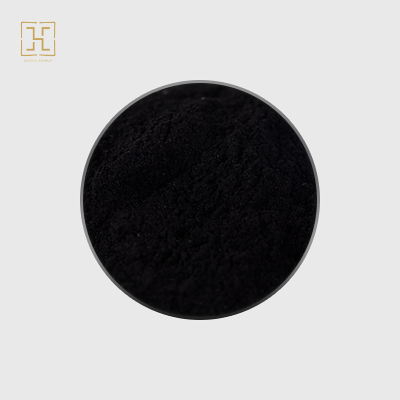
emediation rely on this material daily. If your operation demands consistent purity, strong performance data, and a supplier who can fulfill tons-level orders on schedule, this guide covers what you need to know.
Understanding Phosphoric Acid Activated Wood Char
How well this material works in your system is directly related to the activation chemistry behind it. Procurement teams can ask better questions and make better buying decisions when they know how the process works.
How the Activation Process Works
Phosphoric acid (H₀PO₄) is mixed with wood chips or sawdust in specific amounts. The mixture is then carbonized at temperatures between 400°C and 500°C. During this stage, the acid helps dry out the material, which makes it easier for a cross-linked carbon structure with lots of pores to form. The material is washed to get rid of any remaining phosphorus molecules after carbonization. This makes a neutralizing, high-purity product.
Key Physical and Chemical Properties
It usually has a BET surface area of 1,000–1,500 m³/g, a pore volume of 0.6–1.1 cm³/g, and a predominant mesopore distribution that makes it great at absorbing medium- to large organic molecules. When production follows ISO-certified guidelines, the amount of ash stays below 5% and the amount of heavy metals stays at trace levels. The pH can be changed from 4 to 7 based on the washing cycle.
Bulk Handling and Safety Protocols
Phosphoric Acid Activated Wood Char is a solid that can catch fire in large industrial settings. Store things in dry, well-ventilated places away from open flames. people who handle things should put on masks and gloves. As long as the acid content is neutralized during washing, this material doesn't pose a serious chemical danger under normal circumstances. However, it is still important to keep the dust down during packing and unloading to keep workers safe.
Application Benefits Across Industries
The performance profile of this material makes it useful in three main areas. It is used in different ways by different industries, and the benefits can be measured.
Food Processing and Decolorization
Wood-based activated char is great at getting rid of color bodies, off-flavor compounds, and trace contaminants without leaving behind any chemical residues. It can be used to refine sugar, process edible oils, and clean up flavors. Because it is mostly made up of mesopores, it can absorb up to 200–250 mg/g of Methylene Blue, which makes it very good at getting rid of color. It meets safety standards set by the FDA 21 CFR and similar frames because it is made from natural wood and washed to food-grade standards.
Chemical Industry Catalyst Support and Separation
In chemical processing settings, this substance works as a support substrate for catalysts and as a separating medium in systems for liquid recovery or gas-phase adsorption. It has a lot of surface area, which helps the catalyst spread out well, and it's strong enough to last in fixed-bed reactors. When working with polar organic chemicals, process engineers often choose it over coal-based options. This is because the mesopore structure made from wood makes it easier for adsorbate molecules to connect with active surface sites.
Environmental Remediation and Water Treatment
This stuff is used by municipal water treatment plants and people who take care of industrial wastewater to get rid of heavy metals like lead and mercury, phenolic chemicals, and pesticide leftovers. AWWA study shows that wood-based activated carbons regularly show faster adsorption kinetics for dissolved organics than coal-based grades. This is an important thing to keep in mind when dealing with influent loads that change. Its large number of micropores makes gas-phase adsorption work well at room temperature for capturing VOCs in air cleaning systems.
Comparing Phosphoric Acid Activated Wood Char to Other Activated Carbons
Activated carbon doesn't all work the same way. Before placing big orders, procurement managers find it helpful to make a straight comparison.
This table makes it easy to see how the three main activation lines stack up:
- Phosphoric acid activated wood char produces a mesopore-rich structure ideal for liquid-phase adsorption of medium-to-large molecules (food decolorization, pharmaceutical purification, water treatment). BET surface area ranges from 1,000–1,500 m²/g. Environmentally, the washing process recovers and recycles phosphoric acid in modern facilities, reducing process waste.
- Steam activated wood carbon relies on physical activation at 800–1,000°C, generating a more micropore-dominant structure better suited for gas-phase adsorption and drinking water chlorine removal. It carries no chemical residue risk and commands premium pricing in pharmaceutical and food applications.
- Zinc chloride activated carbon was historically used for high-yield pore development but is now largely phased out in food and pharmaceutical markets due to heavy metal contamination risks and tighter environmental regulations around zinc discharge.
Because of these differences, you can't use the wrong product in your process. Phosphoric acid wood char is often the best technical and economical choice for large-molecule liquid-phase tasks like decolorization, color body removal, or pharmaceutical intermediate purification. Even though they are more expensive, steam-activated types may be better for situations where residue-free clarity is a must. By matching the activation type to the application, you can avoid poor performance and wasteful procurement costs.
How to Choose the Right Grade for Your Business
Picking the right supplier is just as important as picking the right product specifics. Take a look at these things before you place a large order.
Application-Specific Grade Selection
A product that is safe for food must have a normal pH, low ash content (less than 3%), and be checked for heavy metal compliance (Pb <2 mg/kg and As <1 mg/kg). An environmentally-friendly product used to treat wastewater might be able to handle a little more ash, but it needs a high iodine value (900–1,100 mg/g) to be able to adsorb things into its micropores. Chemical process grades often need a clear range of particle sizes (for example, 4–8 mesh or powder below 200 mesh) to fit the shape of the reactor.
Performance Parameters to Request
You can ask your provider for lab results from a third party that show the BET surface area, pore volume distribution, iodine number, Methylene Blue value, moisture content, ash content, pH, and more. For use in food or medicine, ask for heavy metal screening results (ICP-MS analysis). A full Certificate of Analysis (COA) should come with every package of activated carbon from a reputable company.
Certifications and Compliance Standards
When evaluating Phosphoric Acid Activated Wood Char for water-treatment applications, procurement teams should verify that the supplier maintains appropriate quality, environmental, and occupational health and safety management systems. ISO 9001 certification demonstrates a structured quality-management approach, while ISO 14001 addresses environmental management and ISO 45001 focuses on workplace health and safety. For Phosphoric Acid Activated Wood Char intended for drinking-water contact applications, buyers should also check whether the product and supplier meet applicable NSF/ANSI 61 requirements for the target market. Shanxi Xinhua Carbon Technology Industry Co., Ltd., for example, holds ISO 9001, ISO 14001, and ISO 45001 certifications issued through the China Quality System Certification Center, together with a cleanliness license for products used in drinking-water-related applications. Reviewing these credentials can help buyers assess the manufacturing controls behind Phosphoric Acid Activated Wood Char and verify whether the material is appropriate for the intended application. Before approving Phosphoric Acid Activated Wood Char, procurement and quality teams should confirm current certificates, applicable product approvals, and supporting documentation to ensure regulatory and project-specific requirement
Bulk Procurement and Logistics Considerations
Large-volume buyers have different problems to deal with than spot buyers. Your total cost of ownership is affected by lead times, the quality of the packaging, and customer service after the sale.
Order Quantities and Pricing Structure
The smallest standard bulk order is usually one metric ton, and prices get a lot better at five and twenty tons. A 15–30 day production window is needed for customized specifications like changing the particle size, controlling the moisture in the packaging, or setting specific surface area goals. Standard products can be delivered 7–15 days after an order has been approved.
Packaging, Storage, and Shipping
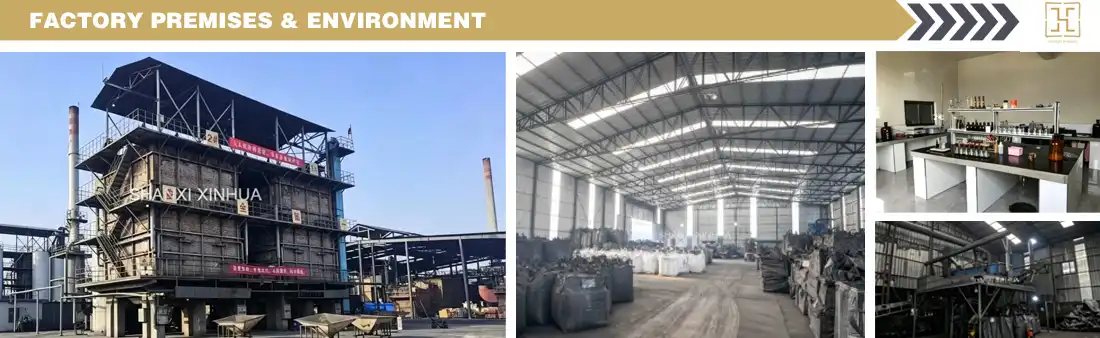
for short). For orders from other countries, bulk containers (20-foot FCL) are usually used. A building that is dry, closed, and has a relative humidity below 60% is needed for storage. Shanxi Xinhua keeps production bases in Shanxi, Ningxia, Fujian, and Xinjiang. This helps distribute goods across the area and speeds up the shipping time for both domestic and international orders.
Emergency Supply and After-Sales Support
For projects that need to meet strict deadlines for compliance, like environmental engineering ones, core products that are already in stock can be delivered in three days through the green channel. As usual, the shopping process includes technical advice, samples before buying in bulk, and help with paperwork like SDSs, COAs, and test results.
Conclusion
For food processing, chemical manufacturing, and environmental cleanup uses, Phosphoric Acid Activated Wood Char offers a strong and cost-effective adsorption option. Its mesopore-rich structure, flexible chemistry, and ability to work with strict food and environmental standards make it a reliable material that can be used in many commercial settings. When making a purchase decision, you should think about the grade requirements, the status of the certification, and the supplier's capacity. Working with a company that has ISO certifications, keeps a lot of stock, and gives full technical paperwork lowers the risk of buying something and helps keep operations consistent over time.
FAQ
Why does phosphoric acid activation produce better results for liquid-phase applications?
Mesopores (2–50 nm) are made easier to form during carbonization by phosphoric acid. This range of pores works well with medium- to large organic molecules that are common in streams from food processing, pharmaceutical liquids, and industrial wastewater. On the other hand, stimulation by steam makes more micropores, which are better for adsorbing small molecules in the gas phase. Picking the correct hole structure for your use has a direct effect on how well the dose works and how much the treatment costs.
Is bulk phosphoric acid activated wood char safe to handle in industrial settings?
Yes, as long as it is done safely according to standard industrial rules. The substance is a solid that can catch fire and needs to be kept dust-free and dry. Phosphoric acid that is still present is neutralized during the washing step of production. Particulate respirators and gloves should be worn by people who handle large amounts. Each order should come with a current Safety Data Sheet (SDS) from the supplier.
How does the cost compare to steam-activated or zinc chloride-activated carbon?
Phosphoric Acid Activated Wood Char is usually in the middle of steam-activated wood carbon (more expensive, but purer) and zinc chloride-activated product (less expensive, but limited uses). It has a good cost-performance ratio for large-scale liquid-phase industry uses because it has more surface area per unit weight, which means less dosing is needed.
Request a Sample or Bulk Quote — Shanxi Xinhua Carbon Technology Industry Co., Ltd.
Phosphoric Acid Activated Wood Char is sold by Shanxi Xinhua Carbon Technology Industry Co., Ltd. to chemical manufacturers, environmental engineering contractors, and food processors all over the world, including in the United States. We are a reliable Phosphoric Acid Activated Wood Char seller for both short-term and long-term contracts. We have ISO 9001, 14001, and 45001 certifications, a yearly output of 45,000 tons, and an emergency delivery service that can be set up in 3 days. You can get a sample, a technical datasheet, or information on bulk pricing by going to xhcarbontech.com or emailing us at greta@carbonxinhua.com.
References
1. Marsh, H., & Rodríguez-Reinoso, F. Activated Carbon. Elsevier Science, 2006.
2. Bansal, R. C., & Goyal, M. Activated Carbon Adsorption. CRC Press, 2005.
3. American Water Works Association (AWWA). Water Treatment: Principles and Practices of Water Supply Operations. AWWA, 2018.
4. Rouquerol, J., et al. "Recommendations for the Characterization of Porous Solids." Pure and Applied Chemistry, 1994.
5. Stavropoulos, G. G., & Zabaniotou, A. A. "Production and Characterization of Activated Carbons from Lignocellulosic Biomass." Microporous and Mesoporous Materials, 2009.
6. U.S. Environmental Protection Agency (EPA). Activated Carbon Treatment of Drinking Water. EPA Technical Report, 2011.

Send Inquiry
You may like