
Wood Charcoal for Pharmaceutical Injection Decolorization Helps Improve Solution Purity Control
Oct 19, 2026
Pharmaceutical injection decolorization with wood charcoal has become a trusted method for removing pigments, organic impurities, and unwanted color compounds from injectable drug solutions. Wood charcoal's highly developed porous structure physically traps large-molecule contaminants, producing clearer, purer solutions that meet strict pharmacopeial standards. With methylene blue adsorption values typically reaching ≥11 mL/0.1g and ash content below 3%, pharmaceutical-grade wood charcoal delivers performance that satisfies USP, EP, and CP requirements, making it a practical, cost-aware choice for quality-focused production teams.
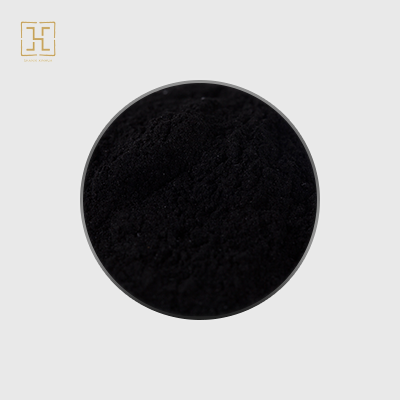
Understanding the Science Behind Wood Charcoal Decolorization
How the Porous Structure Traps Impurities
Wood charcoal has a well-developed network of macro- and mesopores that physically grabs pigment molecules and large organic contaminants that are in injection solutions. This design lets the charcoal surface and the solution come into contact quickly, which speeds up the adsorption process and cuts down on the time needed for processing. Because the material has a large internal surface area, each gram of it can hold a large amount of impurities before it becomes saturated.
Key Technical Parameters That Matter
Pharmaceutical-grade wood charcoal for injection use usually has a methylene blue adsorption value of ≥11 mL/0.1g, which shows that the mesopores can remove color. To make sure that the chemicals don't react badly with sensitive drug molecules, the ash content must stay below 3% and the pH levels must stay neutral to slightly acidic. The amounts of iron and heavy metals are kept much lower than with coal-based options. This makes it less likely that active pharmaceutical ingredients will react in a bad way.
Process Conditions That Maximize Results
The three main factors affecting decolorization performance are temperature, contact time, and the dosage of charcoal relative to the solution volume. For Pharmaceutical injection decolorization with wood charcoal, these operating parameters should be optimized according to the specific pharmaceutical formulation, pigment concentration, and process conditions. In suitable applications, Pharmaceutical injection decolorization with wood charcoal may be evaluated at temperatures around 60°C to 80°C with contact times of approximately 20 to 30 minutes, provided that these conditions are validated for the specific process. Careful control of temperature, residence time, and adsorbent dosage can help production teams achieve more consistent pigment removal while maintaining appropriate product quality. Because Pharmaceutical injection decolorization with wood charcoal can be incorporated into established batch-treatment procedures, manufacturers may be able to adopt the material without making major changes to existing equipment. For procurement and process-development teams, evaluating Pharmaceutical injection decolorization with wood charcoal under actual operating conditions can help determine the appropriate dosage and contact time before full-scale implementation. With validated parameters and consistent quality control, Pharmaceutical injection decolorization with wood charcoal can support efficient decolorization while fitting into established pharmaceutical processing workflows.
Comparison of Wood Charcoal and Other Decolorization Methods
Wood Charcoal vs. Activated Carbon
Both materials work in a similar way to absorb heavy metals, but wood charcoal has a lower heavy metal standard because it comes from trees. It also causes less damage to the environment when it is manufactured. Pharmaceutical-grade wood-based activated carbon, like that made by Shanxi Xinhua Carbon Technology Industry Co., Ltd., goes through activation processes that make the pores bigger so that the color can be removed more effectively. It has the same or better adsorption performance as many coal-based options at about the same price.
Wood Charcoal vs. Chemical Decolorization Agents
Bleach solutions can be made with chemicals like hydrogen peroxide or sodium hypochlorite, but they may leave behind chemicals that make it harder to clean up later. Wood charcoal physically soaks up impurities without adding any new chemicals to the solution. This makes quality testing easier and lowers the chance of small amounts of contamination in the final injection product.
Wood Charcoal vs. Membrane Filtration
Membrane filtration looks at particle size and molecular weight, but it doesn't have the ability to pick out colored organic compounds based on their surface chemistry as adsorption does. Some color molecules and pyrogen-related particles can pass through membranes because of wood charcoal. However, in injection production, the best purity results are often achieved by adsorbing the material with wood charcoal and then filtering it.
Procurement Insights for Pharmaceutical-Grade Wood Charcoal
Finding the right supplier of wood charcoal isn't just a matter of price. It involves checking the supplier's quality system against pharmaceutical-grade standards, making sure that the products are consistent across batches, and making sure that the supplier's licenses are correct. These are the main things that buying teams should look at:
- Certification compliance: Suppliers must carry ISO 9001, and products should align with USP ⟨561⟩ and EP monograph specifications. Shanxi Xinhua holds ISO 9001, ISO 14001, and ISO 45001 certifications, along with a hygiene license for drinking water safety products issued by the Shanxi Provincial Health Commission.
- Heavy metal and PAH testing: Each batch should come with ICP-MS data confirming iron content below 10 ppm and polycyclic aromatic hydrocarbon levels within food and pharma safety limits.
- Particle size distribution: Laser diffraction reports should confirm consistent PSD across batches, ensuring predictable filtration speed and adsorption kinetics in production.
- Bulk packaging integrity: Pharmaceutical-grade charcoal should arrive in sealed, moisture-resistant packaging to prevent contamination and maintain adsorption activity during transit and storage.
These standards make sure that production doesn't stop and lower the chance that a batch will fail during quality control tests. When meeting deadlines is important, a supplier that keeps 100% of core products in stock and offers a 3-day expedited delivery channel is a real asset.
Environmental and Regulatory Considerations in Using Wood Charcoal
Renewable Sourcing and Sustainability
Unlike some coal-derived activated carbons, wood-based charcoal can be produced from renewable forestry residues or agricultural biomass, making it a relevant option for manufacturers seeking bio-based raw materials. When responsibly sourced and manufactured under appropriate environmental controls, Pharmaceutical injection decolorization with wood charcoal can support sustainability objectives while maintaining the adsorption performance required for suitable pharmaceutical applications. For pharmaceutical companies with ESG reporting requirements or internal sustainability targets, Pharmaceutical injection decolorization with wood charcoal may provide an alternative to fossil-based adsorbents when technical specifications and regulatory requirements are satisfied. The renewable origin of Pharmaceutical injection decolorization with wood charcoal can also support procurement strategies that place greater emphasis on traceable raw materials and responsible sourcing. However, sustainability considerations should be evaluated alongside adsorption capacity, purity, ash content, batch consistency, and supplier qualifications when selecting Pharmaceutical injection decolorization with wood charcoal. By balancing environmental objectives with validated technical performance, manufacturers can incorporate Pharmaceutical injection decolorization with wood charcoal into pharmaceutical decolorization processes where the material meets the required quality and application standards.
Biodegradability and Waste Management
Used wood charcoal from pharmaceutical processes can be thrown away in the same way that other industrial waste is. Unlike some synthetic adsorbents, it doesn't leave behind chemical residues that are hard to get rid of. Sometimes, used charcoal can be heated up and used again, which recovers energy and reduces the amount of trash from the production site.
Regulatory Documentation and Traceability
Regulatory bodies like the FDA and EMA expect all ingredients used to make injectable drugs to be fully traceable. Suppliers must provide full material tracking paperwork, batch records, and Certificates of Analysis (CoA). Working with a supplier like Shanxi Xinhua that has helped make national standards adds another layer of assurance that the way documentation is handled meets audit-grade standards.
Practical Applications and Case Studies
Application in Antibiotic and Vitamin Purification
When antibiotics are made through fermentation, colored waste products from the biological process need to be taken out before the API is pure enough. Charcoal made from wood is very good at absorbing these protein-linked pigments and leftover fermentation color compounds. Several companies say that using pharmaceutical-grade wood charcoal in the right way can reduce impurities by more than 85% in just one treatment step.
Use in Injection-Grade API and Endotoxin Control
Manufacturing injectable-grade active pharmaceutical ingredients requires strict control of impurities and process cleanliness. Pharmaceutical injection decolorization with wood charcoal can be evaluated as an adsorbent for suitable purification and decolorization steps where control of color-forming compounds and other targeted impurities is required. Pharmaceutical-grade wood-based activated carbon may also be selected for its adsorption characteristics when process conditions require additional control of endotoxins, pyrogen-related impurities, or other contaminants. In applications involving Pharmaceutical injection decolorization with wood charcoal, Limulus Amebocyte Lysate (LAL) testing can be used as part of an appropriate quality-control program to assess endotoxin levels in relevant process materials or products. Properly validated use of Pharmaceutical injection decolorization with wood charcoal can support controlled purification processes and help manufacturers meet applicable pharmaceutical manufacturing requirements. For procurement teams sourcing Pharmaceutical injection decolorization with wood charcoal, supplier documentation, batch-specific test results, validated application data, and regulatory compliance should be reviewed before the material is approved for injectable manufacturing. With appropriate process validation and quality controls, Pharmaceutical injection decolorization with wood charcoal can contribute to consistent decolorization and impurity-control workflows for pharmaceutical applications.
Integration Into Existing Production Lines
Adding a step to treat the wood with charcoal doesn't take a lot of new tools. Adding and removing charcoal is easy with a standard stirred-tank reactor that has a pressure filter downstream. Quality control teams usually keep an eye on the process by keeping track of absorbance values at 420 nm to see how colored the solution is and checking the pH levels during the process to make sure there are no unwanted changes in the chemicals. These steps make it easy for facilities that already use batch cleaning methods to adopt them.
Conclusion
Pharmaceutical injection decolorization with wood charcoal can provide a practical approach to controlling color-forming impurities in suitable pharmaceutical injection processes. With appropriately controlled heavy-metal levels, useful mesopore adsorption characteristics, and quality specifications aligned with applicable USP, EP, and CP requirements, Pharmaceutical injection decolorization with wood charcoal can be evaluated for injection-related purification applications. Its suitability should be confirmed through application-specific testing, process validation, and review of the relevant pharmacopeial requirements before use in production. For manufacturers sourcing Pharmaceutical injection decolorization with wood charcoal, working with a qualified supplier that can provide stable supply, batch-specific documentation, and traceable quality records is essential. Consistent production controls can help ensure that Pharmaceutical injection decolorization with wood charcoal performs predictably across routine manufacturing batches and supports compliance-driven procurement procedures. With appropriate validation, documentation, and supplier qualification, Pharmaceutical injection decolorization with wood charcoal can be integrated into established decolorization workflows while helping manufacturers maintain controlled product quality, reliable processing, and supply-chain consistency.
FAQ
What makes wood charcoal suitable for pharmaceutical injection decolorization?
Its macroporous and mesoporous structure adsorbs large-molecule pigments and organic impurities without introducing chemical residues. Low ash content, controlled pH, and minimal heavy metals make it compatible with sensitive injectable formulations.
How does pharmaceutical-grade wood charcoal differ from standard activated carbon?
Pharmaceutical-grade wood charcoal is produced and tested to meet strict pharmacopeial standards, including USP ⟨561⟩. It carries lower iron and heavy metal content than many coal-based carbons and comes with full batch documentation required for drug manufacturing audits.
What certifications should a wood charcoal supplier hold?
At minimum, look for ISO 9001 quality management certification, batch-specific Certificates of Analysis, heavy metal testing reports, and compliance with relevant pharmacopeial monographs.
Can wood charcoal remove endotoxins from injection solutions?
Yes. Pharmaceutical-grade wood-based activated carbon has demonstrated endotoxin and pyrogen adsorption in documented LAL test data, supporting its use in parenteral drug manufacturing where sterile and pyrogen-free conditions are mandatory.
What is the typical dosage range for decolorization in injection manufacturing?
Dosage varies by application, but common practice in pharmaceutical batch processing uses 0.5% to 2% (w/v) wood charcoal relative to solution volume, with contact times of 20 to 30 minutes at controlled temperature.
Partner With Shanxi Xinhua Carbon Technology Industry Co., Ltd. for Your Pharmaceutical Injection Decolorization Needs
Food-grade wood charcoal from Shanxi Xinhua Carbon Technology Industry Co., Ltd. is certified by ISO 9001, ISO 14001, and ISO 45001 and meets USP, EP, and CP requirements. As a reliable company that makes Pharmaceutical injection decolorization with wood charcoal, we keep a full stock, offer fast delivery within 3 days, and provide full batch documentation for regulatory compliance. You can email our scientific team at greta@carbonxinhua.com or go to xhcarbontech.com to ask for samples, technical datasheets, or a custom supply plan.
References
1. United States Pharmacopeia (USP 46) – Monograph ⟨561⟩ Articles of Botanical Origin, United States Pharmacopeial Convention, 2023.
2. European Pharmacopoeia (EP 11.0) – Activated Charcoal Monograph, European Directorate for the Quality of Medicines & HealthCare, 2022.
3. Cooney, D.O. – Activated Charcoal in Medical Applications, Marcel Dekker, 1995.
4. Journal of Pharmaceutical Sciences – "Adsorption of Endotoxins by Activated Carbon in Parenteral Drug Processing," Vol. 89, No. 4, 2000.
5. Drug Development and Industrial Pharmacy – "Decolorization of Pharmaceutical Solutions Using Carbon-Based Adsorbents," Vol. 28, No. 7, 2002.
6. PDA Journal of Pharmaceutical Science and Technology – "Control of Pyrogens and Endotoxins in Injectable Manufacturing Using Adsorption Materials," Vol. 58, No. 3, 2004.

Send Inquiry
You may like